
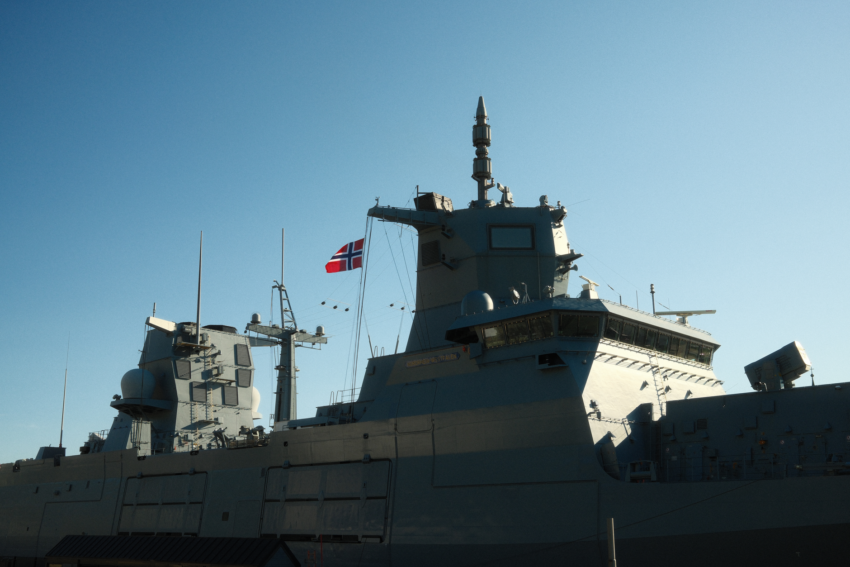
RTX (NYSE: RTX) has received an Office of Naval Research contract to develop software-driven target-detection improvements for naval radar systems through its Raytheon business. The work could give naval operators more time to identify smaller objects and make decisions, but the company has not disclosed a contract value, measured performance targets or a timetable for putting the upgrades aboard ships.
The project centers on signal- and data-processing algorithms rather than a new radar array. Raytheon said its Advanced Technology team will develop and evaluate the algorithms, then integrate targeted software upgrades intended to extend detection range, increase sensitivity and improve radar-system efficiency. Laboratory and field testing are planned before the work is considered for transition into the company’s SPY-6 radar family and other future naval radars.
That is an important distinction for Navy technology leaders. The contract funds development and validation, not a published fleetwide deployment or a stated modification to a particular ship class. A radar’s practical performance also depends on its antenna, processing hardware, software baseline, integration with the combat system and the operating environment, none of which the company detailed for this work.
Software-first modernization can nevertheless be attractive when agencies need to improve a fielded system without starting a full hardware replacement. Raytheon said the research builds on its work in software-defined apertures and on prior ONR initiatives known as ASPIRE and STORM. The company did not describe the specific algorithms, data sets, processing architecture or cybersecurity controls that will be used, so the public record does not permit an assessment of their maturity or resilience.
Raytheon’s stated objective is to help operators detect smaller objects at greater distances and classify targets faster. Colin Whelan, president of Advanced Technology at Raytheon, said the upgrades would provide the fleet with “faster, more informed decision-making.” That is a company projection, not a published test result. The source does not provide baseline range, sensitivity, classification accuracy or false-alarm measurements against which the eventual system could be evaluated.
This is an actual government research application: ONR is sponsoring work intended for naval radar systems. One potential downstream use would be a Navy program office evaluating a software update for an existing sensor family, where the agency could compare a validated upgrade with a more disruptive hardware refresh. Such a decision would still require integration testing, configuration control, cybersecurity assessment and funding for installation and sustainment.
The research will take place at Raytheon facilities in Portsmouth, Rhode Island, and Andover, Massachusetts, through 2031, according to the company. The long development period suggests that operational adoption, if it follows, will depend on testing results and Navy transition decisions rather than on the contract award alone. No delivery milestones, radar quantities or deployment locations were released.
The significance is not a new shipboard radar today, but a government-backed attempt to use software changes to improve the capability of future naval sensors. That approach could offer a less disruptive path than replacing major hardware, particularly where hardware is already fielded. Whether it changes fleet operations will depend on independent test results, integration with specific radar and combat-system configurations, procurement funding and the Navy’s eventual fielding plans.